
Nobody should have to start recovery alone
Nobody should face the
hard parts alone either
Star ting recovery is hard enough. A missed ride, a shut-off phone, or a legal
problem can make it harder. When someone you refer finishes their first
appointment, we give $100 to the Gif t of Recovery Foundation to help people get
past these barriers.
Help someone you love start with support. Send them your link.

What happens next?
Sharing Groups is simple. The person you share it with decides if and when to start, and we're here for them when they call.
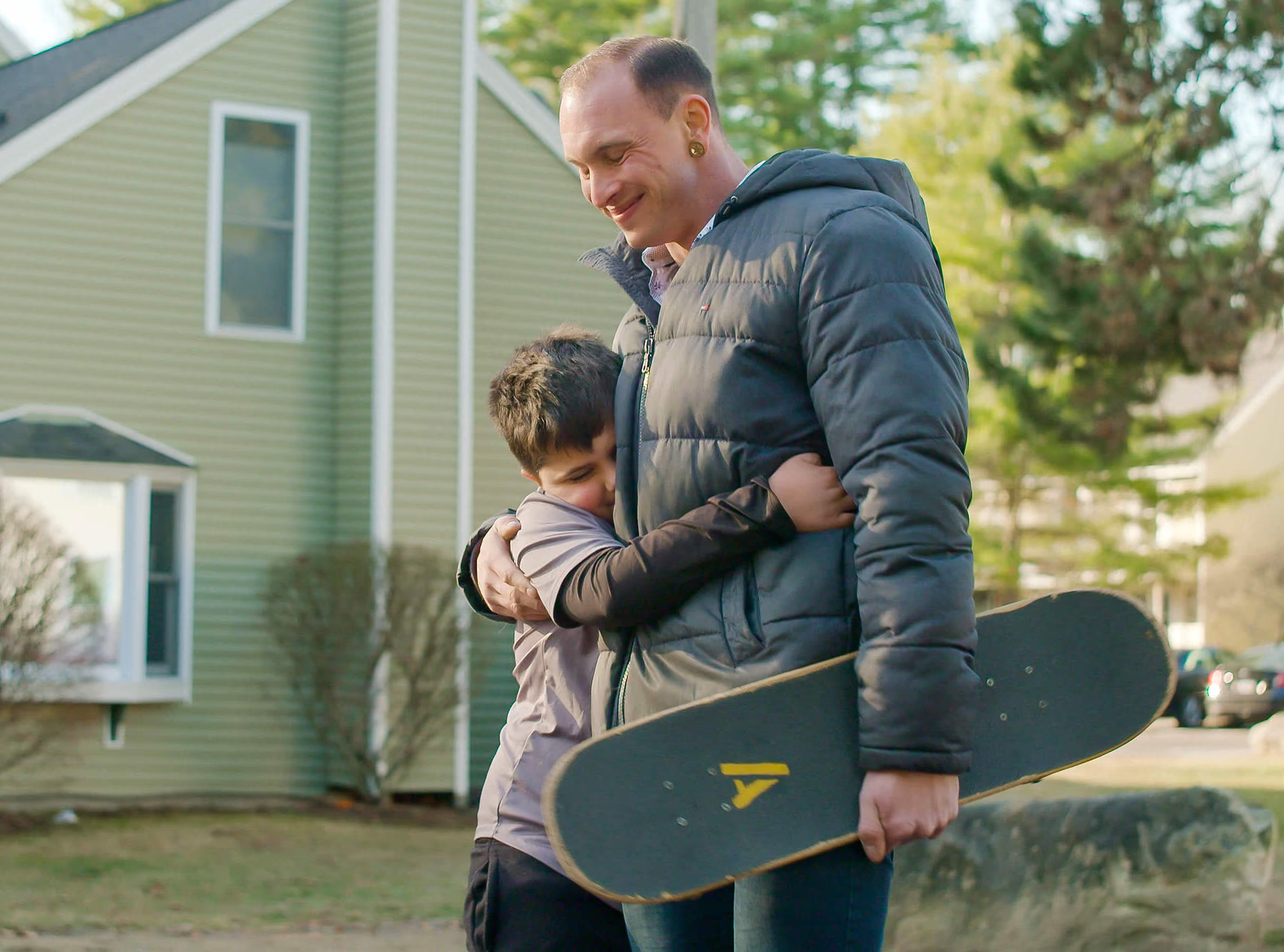
How We Care For Our Members
At Groups, our comprehensive model combines medication, therapy, and community support to help you build the life you want and deserve.


You have questions, we have answers
We accept many private insurance plans, Medicaid, and Medicare, and offer discounted self-pay options for those who are uninsured in eligible states. Call us today at (888) 424-0115 to discuss your options. We want to make sure treatment is affordable for you.
Both! We offer in-person support at our local offices or online using the Groups app. Whatever works best for you and your needs.
You’ll meet with a licensed counselor or Recovery Consultant who will ask questions about your health history. This helps us make sure our program is right for you. This will most likely be done virtually.
Next, you’ll meet with a physician (also virtually) to go over any medical issues that could impact treatment. They'll prescribe the right dose of medication to prevent cravings. After that, you’ll meet your local Groups community. Your weekly group will include your care team and other members to support you in your recovery journey.
Yes. Members complete weekly urine screens as part of treatment. The results are confidential between you and your care team.
Suboxone® is a highly regulated medication. Many states require treatment to include drug screens. They also provide valuable information about treatment progress.
Groups doesn’t punish members for positive drug screens. Instead, we work with members to help them stay safe and prevent or reduce opioid use.
Groups is an outpatient provider of opioid use disorder (OUD) treatment. We built our treatment model around three pillars:
- Real results: Our approach is backed by research and over a decade of real-world data. We connect our members with evidence-based medication, group therapy, and social support, helping them achieve lasting recovery.
- Strength in numbers: When our members face the challenges of recovery, they have a support network cheering them on. We bring together care teams, peers, and a local and national community of people with lived experience.
- Strong foundations, lasting recovery: We help members with everything a thriving recovery requires, from housing security to jobs to health care. With these needs met, members can build the lives they want and deserve.
We believe that everyone who wants treatment should be able to get it. That’s why we accept many insurance, Medicaid, and Medicare plans. If someone who wants treatment does not have insurance, we’ll work with them to make sure care is accessible.
The Groups team includes medical doctors, nurses, recovery counselors and consultants, recovery support specialists, and other staff who keep our program running. Everyone who works at Groups cares deeply about supporting our members without stigma or judgment. Working together, our full care team can help you and your peers achieve your goals.
Groups offers virtual and in-person care in 13 states, with more to come:
- Florida
- Indiana
- Iowa
- Kentucky
- Maine
- New Hampshire
- New York
- Ohio
- Tennessee
- Texas
- Virginia
- Washington
- West Virginia
You can check out all of the locations in your state on our website here. If you don't live near a Groups location, we might still be able to treat you virtually as long as you live in one of the 13 states Groups serves. The best way to find out is to call us at (888) 858-1723.
We accept Medicaid, Medicare, and many commercial insurance plans. These include:
- Aetna
- Optum
- United Healthcare
- Humana
- Anthem
- Blue Cross Blue Shield
- Harvard Pilgrim Healthcare
Visit our insurance page for more information. For specific coverage information for your area, call us at (888) 858-1723
Groups also accepts self-pay. You can call us at (888) 858-1723 to discuss your options. We want to make sure treatment is affordable for you.
Both! We offer in-person support at our local offices or online using the Groups app. Whatever works best for you and your needs.
Methadone, fentanyl, heroin, and pain pills are full opioid agonists. That means they cause strong effects in the brain. Suboxone is a partial opioid agonist. The effects on the brain are less intense.
Full agonists can make you feel “high.” Suboxone doesn’t. Instead, it helps with withdrawal symptoms and cravings. Suboxone helps you feel “normal” without using full agonist opioids.
Side effects are a part of all medications. When someone first begins taking Suboxone, they may experience:
- Body aches, headaches, or flu-like symptoms
- Dizziness
- Constipation
- Sweating
- Sleep problems
- Nausea, upset stomach, or vomiting
- Anxiety and other mood changes
These side effects typically go away after taking medication for a few days. Members can talk to their providers about ways to manage side effects.
Whatever opioid you’re using, including methadone, you’ll need to wait until you have withdrawal symptoms to start Suboxone. Since methadone is a long-acting opioid, this is typically about 30-48 hours after your last methadone dose. Withdrawal symptoms from methadone may include:
- Anxiety
- Diarrhea
- Fever
- Sneezing
- Runny nose
- Abnormal skin sensation
- Rapid heartbeat
- Tremor or shivering
- Sweating
- Insomnia
Over-the-counter medications can help with pain and diarrhea. These include ibuprofen (Advil), acetaminophen (Tylenol), and loperamide (Imodium). Your Groups provider can prescribe other medications that can help with withdrawal symptoms. These may include:
- Clonidine for cravings and anxiety
- Zofran for nausea
- Hydroxyzine for anxiety and problems sleeping
- Bentyl for stomach cramping
- Mirtazapine for problems sleeping
Once it’s been long enough since your last methadone dose, you’ll start taking low doses of Suboxone and build up to a full dose over the course of a few days. At this point you should be feeling “normal” again and have made the transition.
Even if you’re already taking methadone, call us to learn if Groups could be right for you.
Most people who are taking 50mg or less of methadone have no trouble switching to Suboxone®. People who take more than 50mg of methadone may need to taper down their dose first.
Groups can help you decide what path to take.
No. People who take Suboxone as prescribed don’t feel “high” or sick. Suboxone helps restore the brain’s “normal” chemistry and function. This means you can drive, work, play, eat, and be with your family while feeling like yourself.
People who take Suboxone will get used to the medication. They may have withdrawal symptoms if they suddenly stop taking Suboxone. But this doesn’t mean someone is addicted.
Eventually, many people can taper down their dose of Suboxone. Some may stop using it. You will make these decisions with your provider.
Most people who are taking 50mg or less of methadone have no trouble switching to Suboxone. People who take more than 50mg of methadone may need to taper down their dose first.
You can get started at Groups in three simple steps:
- Call us: You can reach out anytime at (888) 858-1723.
- Meet our admissions team and get your prescription: You’ll meet virtually with a counselor and physician. If Groups is a good fit, we’ll prescribe your medicine that you can pick up at your local pharmacy.
Groups is a voluntary program. We need to speak with people directly to get them signed up for our program. However, you can always refer your loved ones to Groups. If signing up is difficult for them, we can help at (888) 858-1723.
If you’re a Groups member, you can send a unique referral link to loved ones you think our program might be right for. For each new member who signs up using a referral link, we’ll donate $100 to a non-profit that is aligned with our mission of changing lives and destigmatizing addiction.
Whether you’re a member or not, people must sign up on their own to receive care. If signing up is difficult for them, we can help at (888) 858-1723. They can call us anytime of day or night.
You don’t need a permanent address to sign up for Groups. Some plans may require a permanent address to cover treatment. If that’s not an option, we can use your main office location.
Members have access to Recovery Support Specialists. They can help with housing and other important life goals. Call us 24/7 at (888) 858-1723 to learn more.
We recommend having a phone, computer, or other device for treatment. Groups sends important updates through email and text. Each week, you'll submit urine tests through the Groups app.
If you don’t have a phone, computer, or other device, we can help. Members have access to Recovery Support Specialists. They can help with technology and other important life goals. Call us 24/7 at (888) 858-1723 to learn more.
Yes. Members need to have email addresses to sign up for the Groups app and get important messages from our team. If you need help setting up an email account, please reach out to us at (888) 858-1723.
Don’t see your question listed here? Reach out to us now!
Yes, you’ll need some form of identification to participate in our program. Acceptable forms of photo ID include:
- State ID (current or expired)
- Jail or DOC/prison ID
- Paper ID or a photo of one
- Probation face sheet with a photo
- Booking sheet with a photo
If you don’t have a photo ID, you’ll need two of the following:
- Student ID
- Insurance card
- Official mail (utility bill, insurance letter, etc.) with your name and physical address
- Social Security card
- Probation documents with a photo ID
- Birth certificate
- Anything with your name and picture on it
- Shelter letter
Nothing happens automatically. This page is just here to answer your questions. When you’re ready, you can call us at 888-858-1723 so we can help you get started.